
Spinal Cord Injury: Causes, Symptoms, and Treatment Options
Spinal cord injuries (SCI) are among the most life-altering medical conditions, affecting a person’s mobility, sensation, and overall quality of life. Understanding the spinal injury description, including its causes, symptoms, and available treatments, is essential for those dealing with this condition or supporting someone who is.
What is a Spinal Cord Injury?
Spinal cord injuries (SCI) are among the most life-altering medical conditions, affecting a person’s mobility, sensation, and overall quality of life. Understanding the spinal injury description, including its causes, symptoms, and available treatments, is essential for those dealing with this condition or supporting someone who is.
A spinal cord injury occurs when there is damage to the spinal cord or the nerves at the end of the spinal canal. This can result from trauma, disease, or degenerative conditions. The severity of the injury can vary widely, ranging from partial loss of motor function or sensation to complete paralysis below the site of the injury. The location of the injury on the spine—whether cervical, thoracic, lumbar, or sacral—plays a significant role in determining its impact.
Causes of Spinal Cord Injuries
According to Spine Surgeon in Mumbai, Dr. Priyank Patel, several factors can lead to spinal cord injuries, including:
- Trauma: Motor vehicle accidents, falls, sports injuries, and acts of violence are common causes of traumatic SCI.
- Medical Conditions: Diseases like cancer, osteoporosis, and multiple sclerosis can weaken the spinal structure, increasing the risk of injury.
- Infections: Conditions like meningitis or spinal abscesses can result in inflammation or compression of the spinal cord.
- Degenerative Disorders: Chronic conditions such as arthritis or herniated discs may lead to spinal cord damage over time.
Symptoms of Spinal Cord Injuries
The symptoms of spinal cord injuries depend on the severity and location of the damage. Common symptoms include:
- Loss of movement or paralysis in any part of the body.
- Loss of sensation, including the inability to feel heat, cold, or pain.
- Spasms or exaggerated reflex activities.
- Difficulty breathing or coughing, particularly in cervical injuries.
- Loss of bowel or bladder control.
In addition to physical symptoms, spinal injuries often have a profound psychological impact, with many individuals experiencing depression or anxiety due to changes in their lifestyle and independence.
Treatment Options for Spinal Cord Injuries
While there is currently no way to reverse spinal cord damage, treatments focus on preventing further injury and improving the quality of life. Here are the main treatment approaches:
1. Emergency Care
Immediate medical attention is crucial to stabilize the spine and prevent further damage. Emergency interventions may include:
- Immobilization with a brace or backboard.
- Surgery to remove bone fragments.
- Addressing swelling with medications.
2. Rehabilitation
Rehabilitation is a cornerstone of spinal injury recovery. It typically involves:
- Physical Therapy: Exercises to strengthen muscles and improve mobility.
- Occupational Therapy: Training in adaptive techniques for daily activities.
- Psychological Counseling: Support for emotional well-being.
3. Medications
Drugs like corticosteroids are often used to reduce inflammation and swelling, particularly if administered within hours of the injury. Pain management medications and muscle relaxants are also commonly prescribed.
4. Advanced Therapies
One of the promising advancements in SCI treatment is spinal cord injury stem cell therapy. This experimental treatment involves using stem cells to repair or regenerate damaged spinal cord tissue. While research is ongoing, initial results show potential for improving mobility and sensation.
5. Surgical Interventions
Surgery may be necessary to stabilize the spine, remove bone fragments, or relieve pressure on the spinal cord. Advances in minimally invasive techniques have improved recovery times and reduced risks.

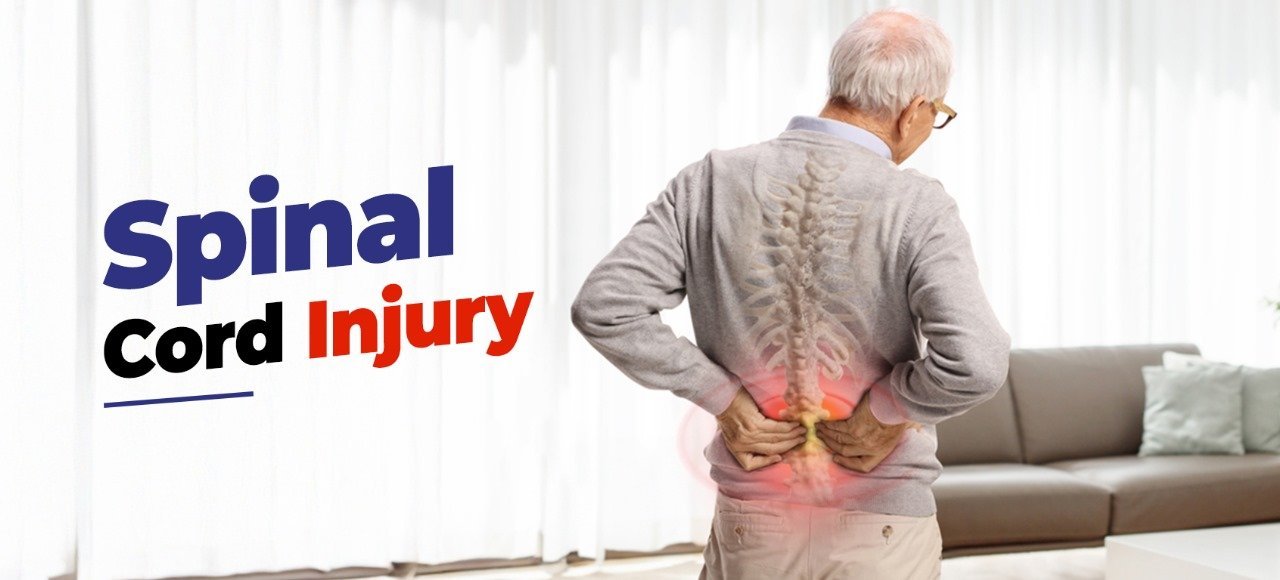
Visualizing the Impact: Spine Injury Pictures
For a clearer understanding of the effects of spinal injuries, spine injury pictures are often used in medical consultations and education. These images help visualize the damage to the spinal cord, such as compression, fractures, or misalignments. By providing a visual reference, patients and caregivers can better grasp the nature of the injury and the importance of treatment.
Prognosis and Recovery
The prognosis for spinal cord injuries depends on various factors, including the severity and location of the injury, the age and health of the individual, and the timeliness of treatment. Partial recovery of motor or sensory function is possible, particularly with early and intensive rehabilitation efforts. However, complete recovery remains rare in severe cases. Support systems, including medical professionals, family, and peer groups, play a crucial role in the emotional and physical recovery journey. Assistive devices, like wheelchairs, braces, or electronic stimulation systems, can also significantly improve independence and quality of life.
Conclusion
Spinal cord injuries are complex and challenging conditions that require a multidisciplinary approach for treatment and recovery. From understanding the spinal injury description to exploring advanced options like spinal cord injury stem cell therapy, staying informed is essential for making the best decisions about care and rehabilitation. While the journey may be arduous, advancements in medical science and rehabilitation techniques continue to offer hope and improved outcomes for individuals with spinal cord injuries. Whether you or
Copyright ©2025 all rights reserved
Designed by Hopeland Healthcare